Welcome to the Mashna family! 🎉 Place your first order using your exclusive discount code.
3days
08hours
00mins
57secs
In a world full of choices, thank you for choosing Mashna.

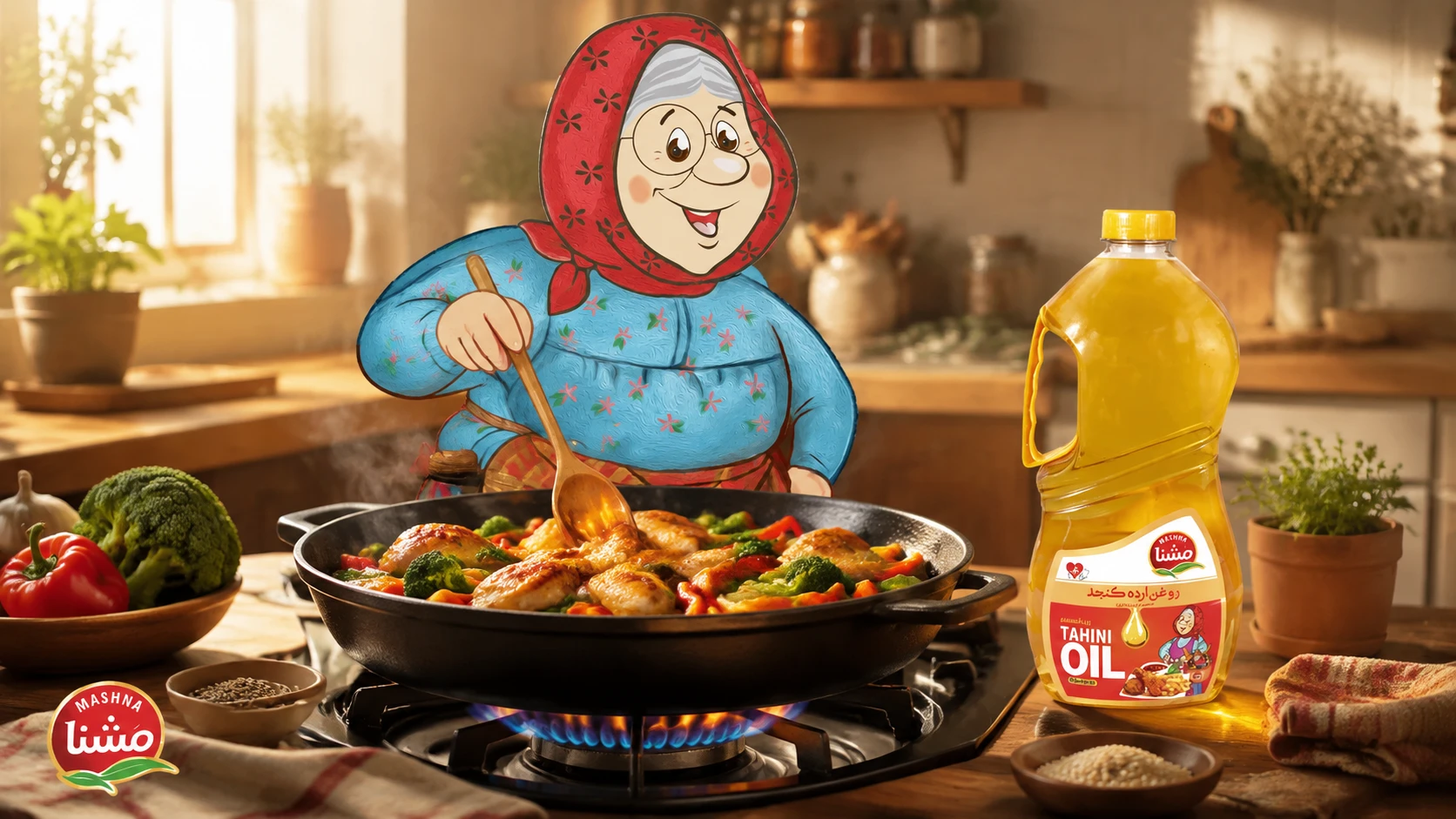
Introduction One of the biggest concerns for families in everyday cooking is finding an oil that is both completely healthy and natural, while also being able to withstand the high heat of a stove. Many vegetable oils burn and produce harmful compounds when exposed to high heat; but tahini sesame oil is an amazing exception. Extracted from roasted sesame seeds (tahini), this oil not only adds a unique aroma and flavor to your food but, with its highly resistant structure, single-handedly meets all your needs for cooking, sautéing, and even prolonged deep frying. If you want to know the best culinary uses of tahini sesame oil and eliminate industrial oils from your kitchen, we have very practical ideas for you in this article.
Quick Answer: Most Important Uses of Tahini Sesame Oil in the Kitchen
You might think that natural oils are only suitable for salads and mild cooking, but the process of roasting sesame seeds to make tahini makes the molecular structure of this oil extremely resistant to heat.
When making French fries, fried chicken, shrimp tempura, or schnitzel, you need very high heat so that the surface of the food becomes crispy quickly and the oil does not penetrate its core. Tahini sesame oil easily tolerates this heat; it neither smells burnt, nor smokes, nor turns dark.
Traditional stews (like Ghormeh Sabzi and Gheimeh) require long periods of sautéing onions, meat, and herbs. Using tahini sesame oil for these dishes has two major advantages:
First, its high resistance allows you to fry the herbs to your desired level without the oil turning bitter. Second, this oil quickly removes the raw and gamey smell of red meat or chicken, giving the stew a very mild and authentic undertone reminiscent of traditional home cooking.
In modern cooking techniques, to preserve the nutrients, color, and crunchiness of vegetables like broccoli, carrots, mushrooms, and bell peppers, they are stir-fried for a short time over very high heat.
Regular oils quickly smoke in this method and give the vegetables a bitter taste, but tahini sesame oil, due to its high smoke point (220°C), easily withstands the intense heat of cast-iron skillets or woks. The result? Vibrantly colored, caramelized, and incredibly delicious vegetables that make fantastic side dishes.
Frying eggplants with industrial oils usually causes the eggplant to absorb all the oil in the pan like a sponge, making the final dish very greasy and heavy. Because of the density and cohesive texture of tahini sesame oil, its absorption by the spongy texture of the eggplant is much lower. You can prepare golden, delicious, and perfectly cooked eggplants using a significantly smaller amount of this oil.
In addition to heavy meals, tahini sesame oil is the best choice for starting your day. Frying a simple egg, making an omelet, or sautéing sausages with this oil gives your breakfast a warm and delightful taste.
Also, when steaming rice, if you drizzle a little tahini sesame oil over the rice in the final stage, not only will the grains separate beautifully, but your Tahdig (crispy rice crust) will turn out more golden and crispier than ever. This oil can easily become a 100% replacement for liquid, palm, and transgenic oils in your kitchen, ensuring your family's health in every meal.
Answers to questions you might have
Yes, absolutely. Due to its high smoke point (around 220°C), tahini sesame oil is the best and healthiest choice for deep frying and high heat, and unlike commercial liquid oils, it does not burn.
Cold-pressed sesame oil has a lower heat tolerance and is mostly used for salads and mild cooking. However, tahini sesame oil has a resistant structure and is specifically designed for high-temperature cooking and frying.
The process of making tahini removes the raw taste of the sesame seeds. This oil has a very mild and pleasant undertone that does not overpower the main flavor of the food or traditional stews.