Welcome to the Mashna family! 🎉 Place your first order using your exclusive discount code.
3days
08hours
00mins
59secs
In a world full of choices, thank you for choosing Mashna.
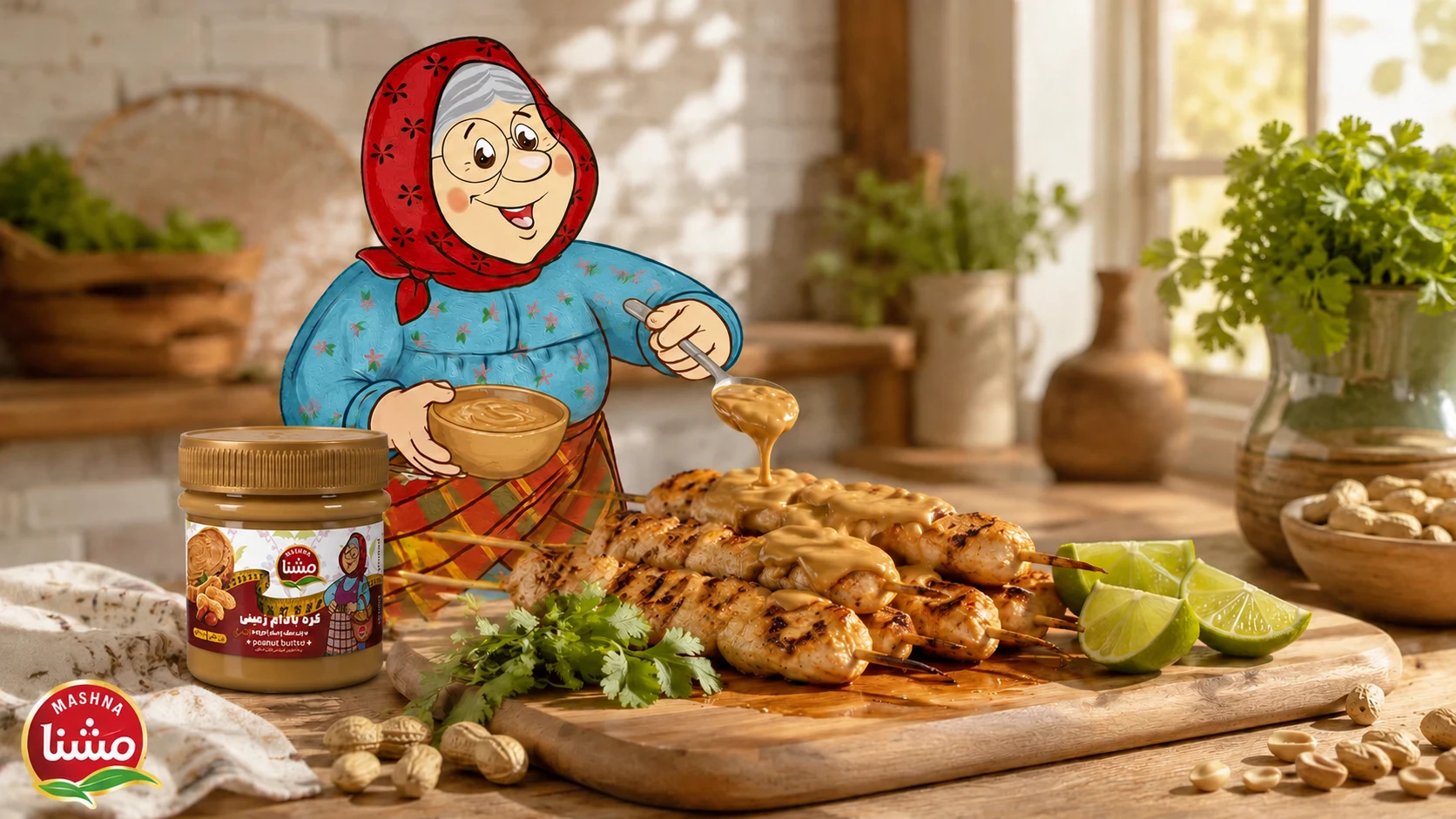
Diet peanut butter usually gets stuck in the breakfast drawer — a spoonful on toast and that's it. But once you really understand this product, it earns a place in your post-workout smoothie, your keto cookie dough, and even your grilled chicken sauce. The key difference from regular peanut butter is exactly this: no added sugar or salt, meaning you're in full control of your calorie and carb intake, not the manufacturer.
Below is a quick answer to the most common questions, followed by practical usage ideas — from keto diets to everyday cooking.
Regular peanut butter usually contains sugar, salt, and sometimes hydrogenated oil, which adds extra calories and worsens its fat profile. The diet version is made from raw or roasted ground peanuts with no additives that would work against your diet goals.
That means two tablespoons give you around 7 to 8 grams of plant-based protein — a solid number for a pre- or post-workout snack.
Here's the key point: keto is about high fat and protein with minimal carbs. Sugar-free peanut butter delivers exactly that combination, as long as you use it intentionally.
Blend a tablespoon of diet peanut butter with unsweetened almond milk, whey protein, and some ice. The result is a smoothie with enough fat and protein for long-lasting fullness, without the added sugar from high-carb fruits.
Replacing wheat flour with diet peanut butter in a cookie recipe gives a soft texture and nutty flavor while significantly lowering total carbs. Mixed with eggs, a non-sugar sweetener, and a touch of vanilla, it makes a simple, quick keto cookie.
Spreading diet peanut butter on celery sticks or cucumber slices creates a combination of fiber and plant protein that's very filling, with far fewer carbs than typical snacks.
Since sugar-free peanut butter has no sweetness, it also works well in savory cooking — not just desserts and breakfast.
Mix diet peanut butter with lime juice, grated garlic, a bit of soy sauce, and warm water until you get a thick, slightly spicy sauce. Poured over grilled chicken breast, this sauce stays balanced and diet-friendly since it has no added sweetness.
Stir a tablespoon of peanut butter into cooked oatmeal made with milk or water. This combination enriches the flavor while boosting the protein and healthy fat content of your breakfast — an option that keeps you full until your next meal.
Mixing peanut butter with a little water and cinnamon makes a dip that works well with apples, bananas, or raw vegetables — a quick snack for busy days.
Adding peanut butter to savory marinades gives meat a layer of nutty flavor and creamy texture — a technique common in Asian cooking that also works well in diet-friendly kitchens.
If you're looking to diversify your sources of healthy fat and plant protein, peanut butter isn't your only option. Sesame tahini has a similar profile of unsaturated fats and protein, with a different flavor and texture.
Both products are high-quality and nutritious, but their uses differ slightly: diet peanut butter works better for smoothies, savory sauces, and keto baking, while pure sesame tahini is better suited for halva, Mediterranean sauces like hummus, and pairing with honey or dates. Having both in your kitchen adds more flavor and nutritional variety to your diet.
Diet peanut butter is a versatile product that goes far beyond breakfast. In a ketogenic diet it serves as a source of fat and protein, in smoothies it acts as a protein booster, and in savory cooking it becomes the base for sauces or marinades. The key to using it correctly is paying attention to your daily serving size and aligning it with your diet goal — whether that's weight loss or muscle gain.
Answers to questions you might have
Yes — it's low in carbs and high in fat and protein, which aligns well with keto principles. Just adjust your daily serving based on your calorie plan.
Usually before a workout for sustained energy, or after a workout paired with another protein source to support muscle recovery.
Yes — since it has no added sweetness, it works well in Asian-style sauces, meat and chicken marinades, and even vegetable dips.
The diet version is made without added sugar, salt, or hydrogenated oil, while the regular version usually contains these additives, resulting in higher calories and carbs.