Welcome to the Mashna family! 🎉 Place your first order using your exclusive discount code.
3days
08hours
00mins
59secs
In a world full of choices, thank you for choosing Mashna.
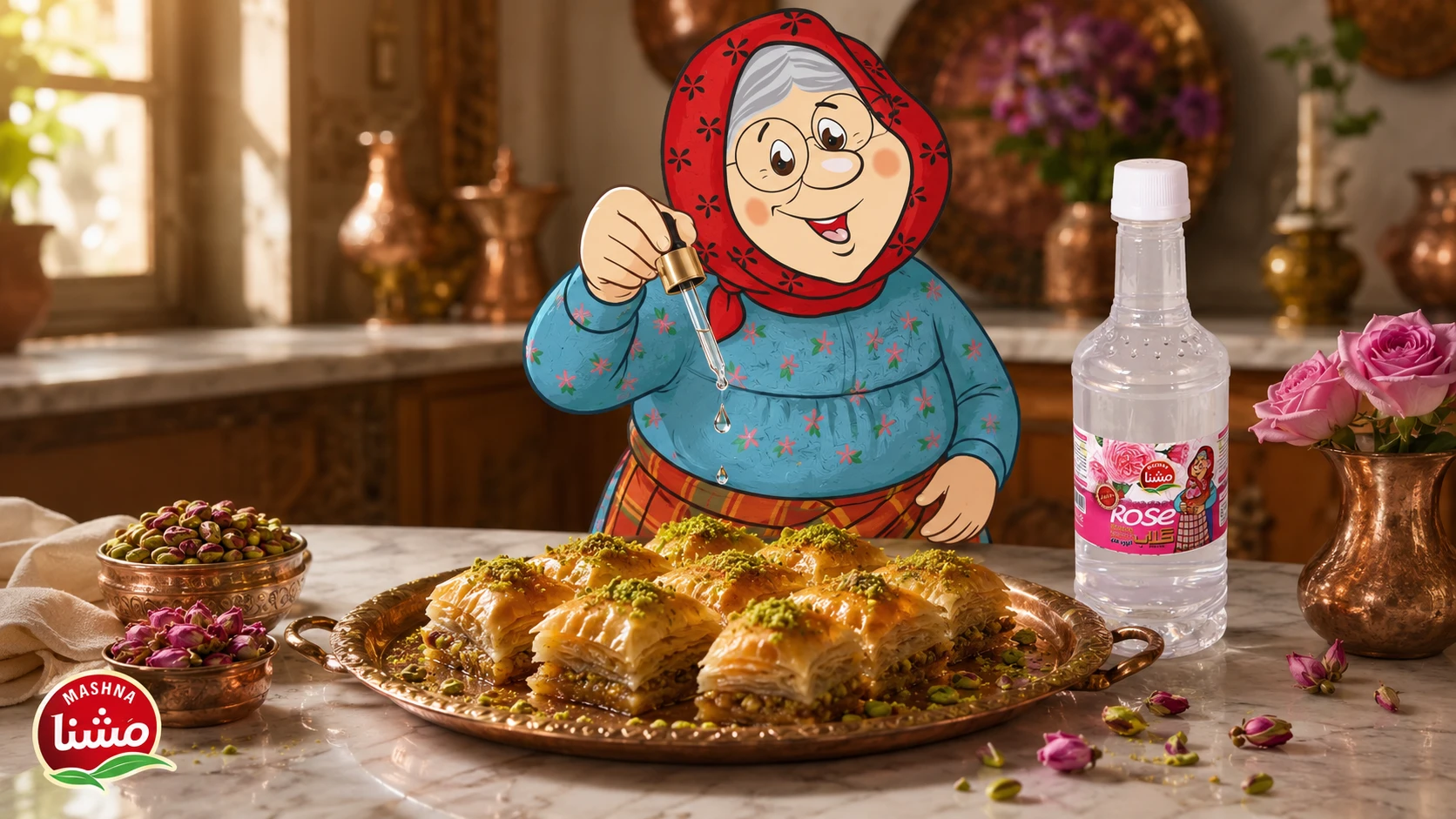
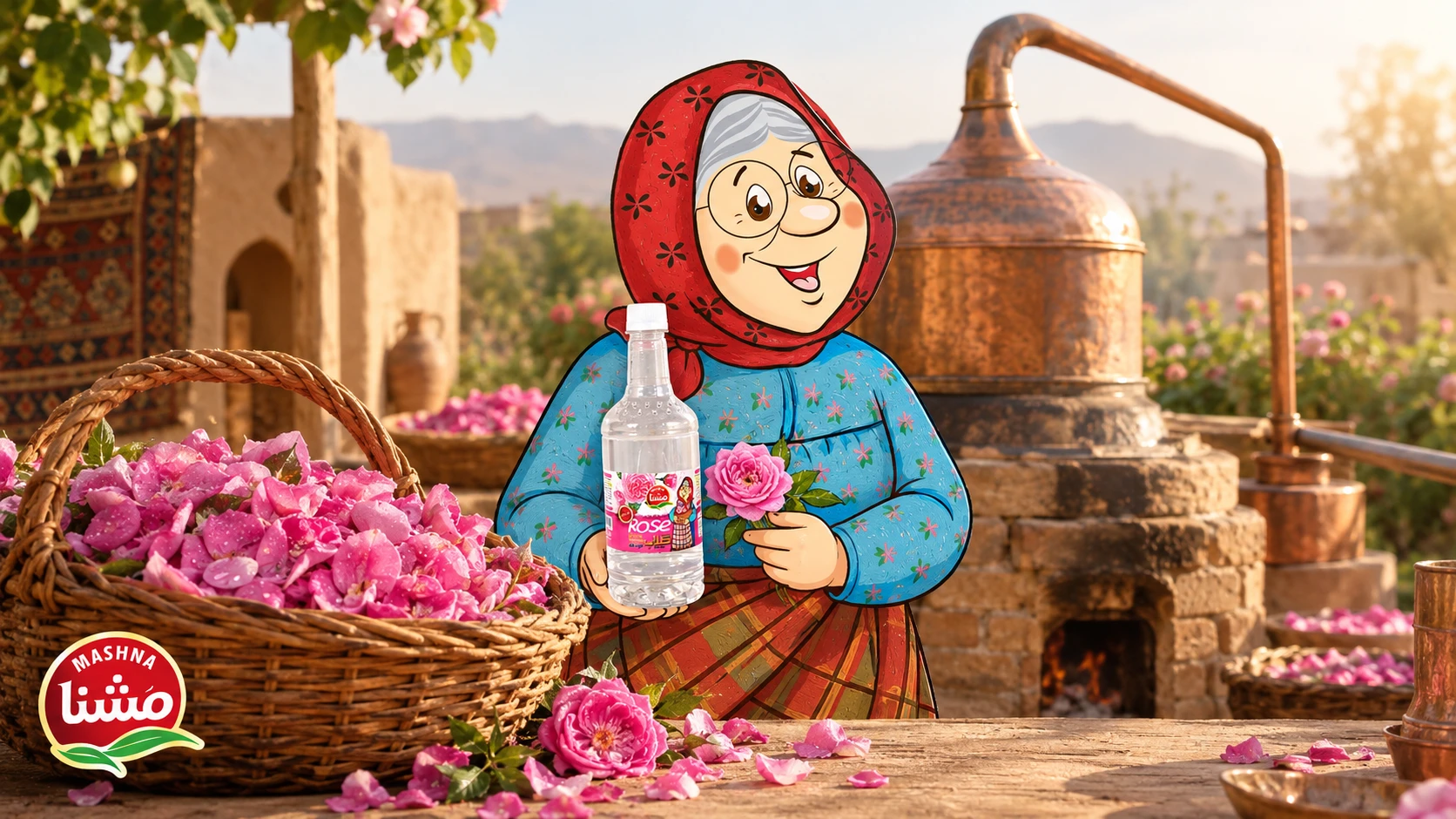
Double-distilled rose water, as the name suggests, has been distilled twice, and this process concentrates the natural rose essence several times over. The result is a product no longer measured by the spoonful, but by the drop. For professional pastry chefs, cocktail designers, and aromatherapy enthusiasts, this difference in concentration is exactly what turns double-distilled rose water from a simple fragrance into a professional-grade tool.
Before diving into the main ideas, here are quick answers to common questions about this product.
Redistilling rose water removes much of its water content, keeping the natural rose essence concentrated. This is exactly what makes its aroma longer-lasting and stronger than standard 12-karat rose water.
In pastry-making, balancing dough moisture with the final aroma is one of the most delicate parts of the process. Double-distilled rose water solves exactly this problem.
When making baklava, the dough shouldn't become too moist, or its crisp, layered texture will be lost. With regular rose water, achieving enough aroma often means adding a large amount of syrup or rose water, which weighs the dough down. Double-distilled rose water doesn't have this problem — just a few drops give baklava a deep, long-lasting aroma without adding extra moisture.
In recipes like nokhodchi cookies, nut-filled baklava, or zaban pastries, a few drops of double-distilled rose water added to walnut, pistachio, or almond filling gives the final product a distinctive, top-tier aroma that regular rose water can't achieve at the same intensity.
In professional beverage-making, the aroma of a single raw ingredient can be the defining difference between an ordinary drink and a memorable cocktail.
Combining a few drops of double-distilled rose water with saffron syrup, fresh lime juice, and sparkling water creates a rich, luxurious cocktail suited for formal gatherings and special occasions. The scent of Damask rose in this combination adds a genuine sense of Persian authenticity to the drink.
For summer parties, combining a few drops of double-distilled rose water with watermelon or cantaloupe juice creates a cool, fragrant mocktail. Because of the rose water's high concentration, only a small amount is needed, so the fruit's flavor isn't overshadowed.
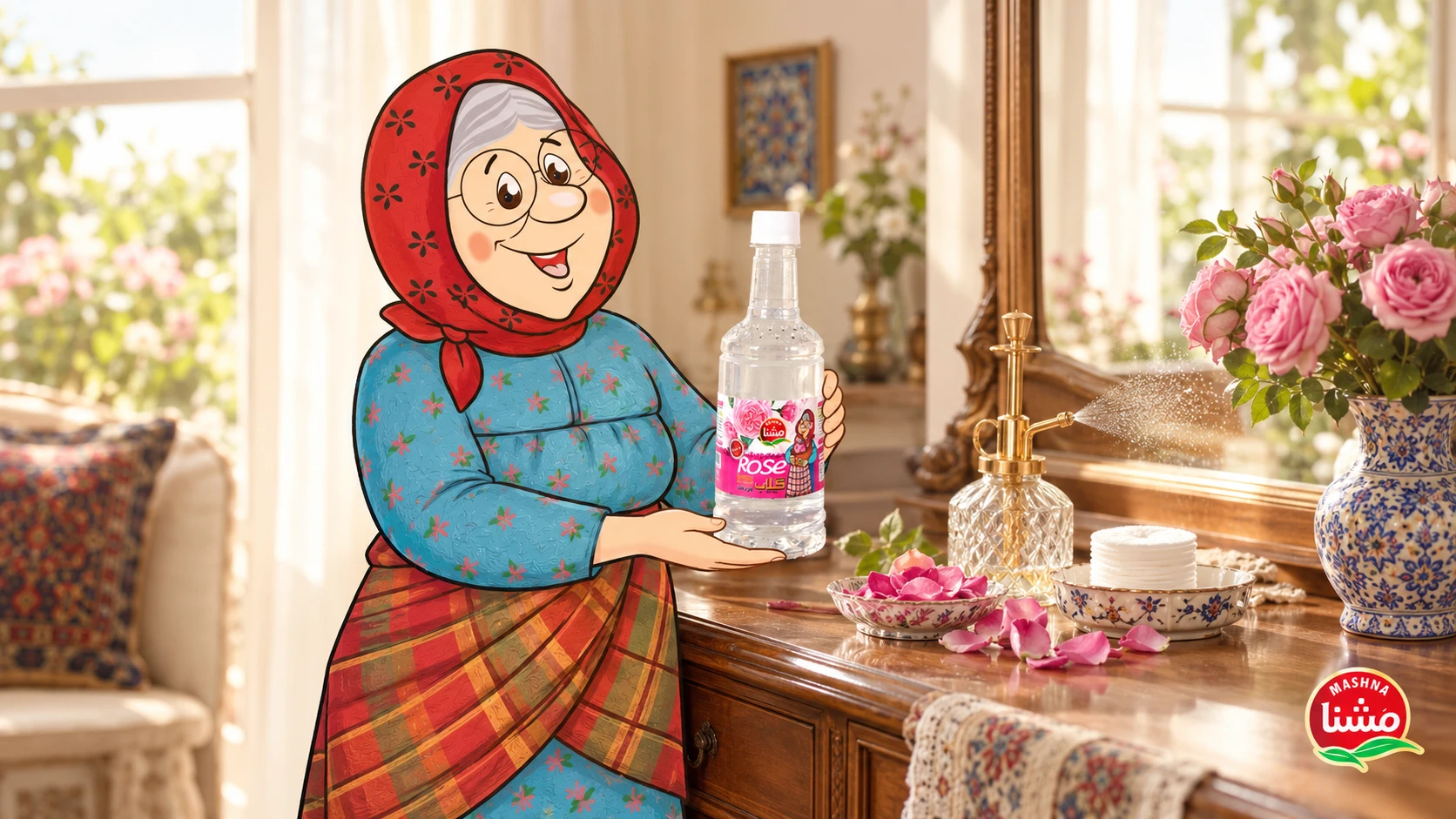
The high percentage of natural Damask rose essence in double-distilled rose water makes it a great option for home aromatherapy, without needing expensive essential oils.
A few drops of double-distilled rose water in a diffuser or humidifier fill a room with the natural, calming scent of Damask rose — an economical alternative to commercial essential oils, which often contain synthetic compounds.
A few drops of double-distilled rose water in warm towel water creates a fragrant, soothing compress for the face or neck — a simple way to end a busy day.
Feature | Double-Distilled Rose Water | Regular Rose Water (12-Karat) |
|---|---|---|
Essence Concentration | Very High | Standard |
Amount Used Per Recipe | A Few Drops | One to Several Spoonfuls |
Aroma Longevity in Final Product | High | Moderate |
Best Suited For | Professional pastry-making, cocktails, aromatherapy | Everyday use, home cooking |
While a bottle of double-distilled rose water is usually priced higher than the standard version, its very low consumption per use makes it, in practice and over time, more economical than regular rose water — especially for professional applications with frequent use.
Double-distilled rose water is a product set far apart from regular rose water by its high concentration of Damask rose essence. In professional pastry-making for baklava and layered pastries, in mixology for luxury cocktails, and in aromatherapy for daily relaxation, it all works by the same simple rule: use less, get more aroma. This is exactly what makes it both cost-effective and premium at the same time.
Answers to questions you might have
Double-distilled rose water has been distilled twice, and its Damask rose essence concentration is several times higher than standard rose water — which is why it's used by the drop, not the spoon.
Usually 4 to 6 drops per recipe is enough. It's best to start with a small amount and add a little more if needed.
Yes — since you use much less of it, it ends up being more cost-effective over time, especially for professional and repeated use.
A few drops in a diffuser, humidifier, or warm compress serve as a good alternative to commercial essential oils, thanks to its high percentage of natural essence.